Understanding Family Health Insurance
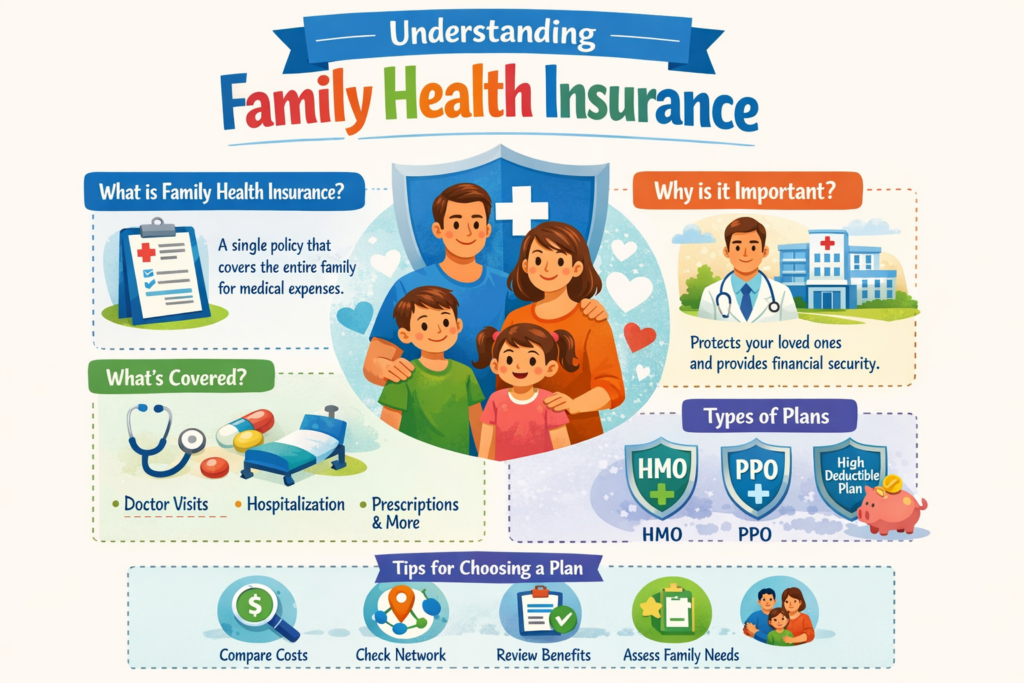
Family health insurance is an essential safeguard for households, ensuring that medical emergencies and health-related expenses don't become a financial burden. With the ever-increasing cost of healthcare, understanding how family health insurance works, its benefits, and what to look for in a policy is more important than ever. This article breaks down the basics of family health insurance to help you make informed decisions for your loved ones.
What Is Family Health Insurance and How Does It Work?
Family health insurance is a type of health coverage that provides medical benefits to all members of a family under a single policy. Instead of purchasing individual plans for each person, a family floater plan covers the policyholder, spouse, children, and sometimes even dependent parents. The insured sum is shared among all covered members, allowing coverage to be used as needed by any family member.
Typically, a family health insurance policy covers hospitalization, doctor visits, surgeries, prescription drugs, and sometimes preventive health checkups. Premiums for these plans are generally higher than individual plans but more cost-effective than buying separate coverage for each family member. The policyholder pays an annual or monthly premium, and in return, the insurer covers eligible medical expenses up to the chosen sum insured.
Upon hospitalization or any covered medical event, the policyholder can either opt for cashless treatment at network hospitals or get reimbursed for expenses incurred at non-network hospitals. The claims process is usually streamlined, especially with cashless facilities, offering peace of mind during stressful times. Understanding these basics is crucial for selecting the right plan for your family.
Key Benefits of Choosing Family Health Insurance Plans
One of the primary advantages of family health insurance is convenience. With a single plan, you manage one policy, one premium, and a consolidated sum insured that any covered member can use. This simplifies paperwork, renewals, and claims, making it easier to manage than multiple individual policies.
Family floater plans also offer cost-efficiency. Insurers often offer discounts for bundling policies, lowering the premium per individual compared with separate policies. Additionally, children up to a certain age (often 25 years) and dependent parents can be added to the plan, helping families affordably meet the healthcare needs of different generations.
Another notable benefit is comprehensive coverage. Most family health insurance plans offer a broad range of benefits, including maternity coverage, newborn coverage, preventive health check-ups, daycare procedures, and critical illness riders. With rising medical costs, access to comprehensive coverage under a single umbrella can be invaluable during medical need.
Important Factors to Consider Before Purchasing Coverage
When shopping for family health insurance, the sum insured is one of the most important factors to consider. It should be sufficient to cover potential medical costs for the entire family, especially if there are multiple hospitalizations in a year. Choosing a sum insured that is too low can leave you exposed to out-of-pocket expenses, while choosing one that is too high can lead to unnecessarily high premiums.
Age and health status of family members also play a significant role. Because premiums are calculated based on the eldest member's age, premiums may be higher for families with older parents. It's essential to assess whether to include aging parents in the floater plan or buy a separate senior citizen policy for them.
Additionally, pay close attention to policy terms such as waiting periods for pre-existing diseases and coverage for critical illnesses. Also, network hospital availability, and sub-limits on room rent or specific treatments. Understanding these details helps avoid surprises during claim time and ensures the policy meets your family's healthcare needs.
Common Exclusions and Limitations in Family Policies
Family health insurance plans do not cover everything, and it's vital to be aware of the typical exclusions. Common exclusions include pre-existing diseases during the waiting period and cosmetic or plastic surgery. Also, dental and vision care (unless due to accidents), and injuries resulting from hazardous activities or substance abuse.
Most policies also have waiting periods for certain ailments, such as maternity benefits, pre-existing conditions, or specific diseases such as hernias or cataracts. During this time, related treatment expenses are not covered. Understanding these waiting periods is crucial to avoid disappointment when filing claims. Understanding Family Health Insurance is essential.
Other notable limitations can include sub-limits on hospital room rent, restrictions on certain treatments, and caps on ambulance charges or post-hospitalization expenses. Knowing these exclusions and boundaries helps you set realistic expectations and plan your family's finances.
Tips for Comparing and Selecting the Best Family Plan
When comparing family health insurance plans, start by assessing the sum insured and the premium. Look for plans offering the best balance between coverage and affordability. Use online comparison tools to evaluate features, inclusions, and claim settlement ratios of different insurers.
Review the hospital network list for cashless treatment availability, particularly in your city or locality. A wider network makes it easier to access hassle-free medical care near you. Additionally, consider policies with quick and transparent claim processes. Claim settlement efficiency is crucial during emergencies.
Check for added benefits such as free annual health check-ups, no-claim bonuses, restoration of sum insured, and minimal co-payment requirements. Reading customer reviews and consulting with insurance advisors can also provide valuable insights. Taking the time to research and compare helps you select a plan that best fits your family's unique healthcare needs.
Conclusion
Understanding Family Health Insurance is vital to safeguarding your loved ones' health and financial stability. By understanding how these policies work, their benefits, and the factors to consider, you can make informed choices that provide comprehensive protection. Remember to review policy details, exclusions, and compare plans diligently. So your family can enjoy peace of mind and quality medical care whenever needed.
Do churches need insurance?

Churches serve as spiritual homes, gathering places, and landmarks within their communities. However, like any other organization, churches are not immune to risks—whether from natural disasters, accidents, or legal issues. This raises an important question: do churches need insurance? Understanding the unique challenges faced by churches, the types of coverage available, and the balance between costs and benefits can help leaders make informed decisions about protecting their congregations and property.
Understanding the Unique Risks Faced by Churches
Churches may appear serene and safe havens, but they face a wide array of risks. Natural disasters such as fires, floods, storms, or earthquakes can damage church buildings and property, sometimes leaving congregations without a place to gather. Additionally, as public spaces that host events, classes, and community outreach, churches face the risk of accidents and injuries occurring on their premises. A slip-and-fall or playground accident can quickly turn into a costly liability issue.
Beyond physical dangers, churches can also be exposed to legal and financial risks. Disputes between church members, employment issues, or allegations of misconduct may lead to lawsuits. The growing use of technology means that churches now store sensitive member information electronically, opening the door to data breaches and cyber threats. These risks demonstrate that churches, like any other organization, must consider how to safeguard themselves against the unexpected.
The mission-driven nature of churches does not shield them from responsibility. In fact, their community-centered approach may increase their exposure to certain risks. With volunteers, social outreach programs, and frequent gatherings, churches must consider how to protect not only their property but also their people—staff, volunteers, and visitors—against a variety of hazards.
Types of Insurance Coverage Available for Churches
To address these challenges, a range of insurance options exists specifically for churches. The most fundamental coverage is property insurance, which protects buildings, furnishings, and equipment from damage or loss due to events like fire, theft, or vandalism. Since churches often own historic or unique buildings, this coverage is particularly crucial to ensure that repairs or rebuilding are financially possible if disaster strikes.
Liability insurance is another core component. General liability coverage helps protect churches from lawsuits related to injuries or accidents on church property. Directors and officers liability insurance is also recommended, as it covers church leaders against claims arising from their decisions or actions within the organization. For churches with staff, employment practices liability insurance can help cover costs related to employment disputes or wrongful termination claims.
Additional coverage options can be tailored to a church’s specific activities. For example, auto insurance is needed if the church owns vehicles, and cyber liability insurance protects against digital threats and data breaches. Special event coverage can be purchased for large gatherings, and umbrella policies provide extra protection above other coverage limits. Customizing a policy ensures that a church’s unique needs are met and its mission can continue uninterrupted.
Weighing the Benefits and Costs of Church Insurance
For many churches, the decision to obtain insurance comes down to balancing protection against financial constraints. Insurance premiums can be a significant expense. Especially for small congregations with limited budgets. However, the cost of going without insurance can be far greater. A single lawsuit or catastrophic event could bankrupt a church, disrupt its programs, and harm its reputation in the community.
Insurance provides peace of mind, allowing church leaders to focus on ministry. It also reassures congregants and volunteers that their safety and well-being are priorities. Furthermore, having proper insurance may be required by law or by lenders if the church has a mortgage, making it not just a smart choice but sometimes a necessary one.
Ultimately, the benefits of insurance—protection against unpredictable events, legal liability, and financial ruin—typically outweigh the costs. By working with knowledgeable insurance agents and reviewing coverage regularly, churches can ensure they are adequately protected without overspending. Investing in insurance is a proactive way to safeguard the church’s mission, assets, and people.
Conclusion
While churches are places of faith and community, they are not immune to risk. Having appropriate insurance coverage is an essential part of responsible stewardship, ensuring that a church can weather the storms—literal or figurative—that may come its way. Church leaders can make wise decisions that uphold their mission and serve their community for years to come.
Insurance for churches
Churches play a vital role in communities, providing not only spiritual guidance but also social support and a gathering place for many. Like any organization, churches face a range of risks, from property damage to liability issues. Insurance for churches is designed to address these unique needs, safeguarding congregations and their resources so they can continue their mission with peace of mind. Understanding the different aspects of church insurance will help ensure your place of worship is properly protected.
Understanding the Unique Insurance Needs of Churches
Churches are distinct from typical businesses or nonprofits in several ways, which gives rise to specialized insurance requirements. Unlike most organizations, churches often own historic buildings, host large gatherings, and organize a variety of community programs. Each of these factors introduces different risks, such as fire damage to old structures, injuries during events, or liability from youth activities. This complexity means a one-size-fits-all insurance policy rarely covers all the bases.
Additionally, churches rely heavily on volunteers and staff who interact closely with congregation members and the public. This dynamic introduces further risks, including the possibility of accidental injuries, misconduct claims, or allegations of abuse. Protecting the church's reputation and finances from these potential liabilities is crucial to maintaining trust and continuity within the community.
Finally, churches are often custodians of valuable property—such as musical instruments, stained glass windows, and archival documents—that require specialized coverage. Typical commercial policies may not account for the sentimental or historical value of these items, highlighting the need for tailored insurance solutions. By recognizing these unique needs, church leaders can better advocate for comprehensive protection.
Key Types of Insurance Policies for Churches
Given the variety of risks that churches face, several key types of insurance policies are essential. Property insurance is fundamental, covering buildings, contents, and sometimes specialized items like organs or artwork. This policy can help a church recover from damage caused by fire, vandalism, or natural disasters, and often includes coverage for loss of use, enabling the congregation to continue its activities elsewhere if needed.
Liability insurance is another critical component, shielding the church from potential lawsuits arising from injuries on church property, accidents during church events, or claims of negligence. This policy generally includes coverage for bodily injury, property damage, and, in some cases, personal injury, such as libel or slander. For churches that operate daycare centers, schools, or counseling services, additional liability protections are often required.
Many churches also consider additional policies such as workers' compensation, which protects employees (and sometimes volunteers) in the event of on-the-job injuries. Other optional coverages include directors and officers (D&O) insurance, which protects board members in the event of governance-related lawsuits, and sexual misconduct liability insurance, which is particularly important for organizations working closely with children or vulnerable adults. By layering these policies, a church can build a robust safety net.
How to Choose the Right Insurer for Your Congregation
Selecting the right insurance provider for your church involves more than just comparing prices. Experience in religious institution coverage should be a top priority, as insurers familiar with the unique challenges of church operations are better equipped to offer comprehensive guidance and responsive service. Look for companies with a proven track record serving churches and faith-based organizations, as they will likely understand the particular risks involved.
Reputation and customer service are equally important. Seek out insurers known for their reliability, clear communication, and prompt claims handling. Reading reviews, requesting references, and consulting with other local churches can provide valuable insight into how different insurers support their clients through both routine questions and crisis situations. Personalized service and flexibility to tailor policies to your church's specific needs are critical factors to consider.
Finally, work with an insurance agent or broker who takes the time to understand your congregation's activities, assets, and risks. An agent who specializes in church insurance will help ensure that no important aspect is overlooked, from coverage for community events to protection for mission trips. By partnering with the right insurer and advisor, your church can focus on serving its community, confident that it has the necessary safeguards in place.
Insurance for churches is a specialized field requiring careful attention to the unique needs and risks faced by religious organizations. By understanding these requirements, selecting the right mix of policies, and choosing experienced insurers, churches can protect their people, property, and mission. With the right coverage, church leaders and members can focus on their essential work, knowing their congregation is secure against unexpected challenges.